-
129, Block-A Bangur Avenue, Mousumi Appartment, Kolkata 700055

129, Block-A Bangur Avenue, Mousumi Appartment, Kolkata 700055

Struggling with social anxiety? Learn practical steps to gradually overcome social anxiety and boost your confidence in social settings. Social anxiety is more than just shyness—it’s an overwhelming fear of social interactions, often accompanied by excessive self-consciousness and worry about being judged. Many people experience nervousness before social events, but social anxiety goes beyond this, making everyday interactions feel like a challenge. If you struggle with social anxiety, the good news is that it’s manageable with small, intentional steps. By gradually pushing yourself out of your comfort zone, challenging negative thoughts, and practicing healthy coping strategies, you can develop confidence and ease in social situations. Understanding Social AnxietyCommon Symptoms of Social AnxietySmall Steps to Overcome Social Anxiety1. Acknowledge and Accept Your Anxiety2. Identify Your Triggers3. Challenge Negative Thoughts4. Practice Deep Breathing and Relaxation Techniques5. Start with Small Social Challenges6. Prepare for Social Situations7. Focus on Others, Not Yourself8. Join Social Groups or Activities9. Accept That Perfection Isn’t NecessaryWhen to Seek Professional Help?FAQs1. Can social anxiety go away on its own?2. What is the best way to calm social anxiety quickly?3. Can introverts have social anxiety?4. Should I avoid social situations if I have anxiety?5. Does therapy help with social anxiety?Take Small Steps to Overcome Social Anxiety with Confidence In this guide, we will explore effective ways to overcome social anxiety step by step, helping you interact with others with greater comfort and self-assurance. Understanding Social Anxiety Social anxiety, also known as social phobia, is an intense fear of being embarrassed, judged, or scrutinized in social situations. It can affect work, school, relationships, and daily interactions. Common Symptoms of Social Anxiety People with social anxiety often experience: Excessive fear of social interactions, especially with strangers Avoiding social gatherings, public speaking, or group settings Physical symptoms like sweating, blushing, trembling, or a racing heart Difficulty making eye contact or speaking in conversations Overanalyzing past interactions and worrying about future ones Social anxiety can feel isolating, but you’re not alone. With patience and small steps, you can overcome social anxiety and build confidence in social settings. Small Steps to Overcome Social Anxiety 1. Acknowledge and Accept Your Anxiety The first step in overcoming any challenge is acknowledging it. Accepting that you struggle with social anxiety doesn’t mean you have to live with it forever—it simply means you recognize it and are willing to work on it. Try to observe your anxious thoughts without...

Feeling exhausted, unmotivated, or emotionally drained? Learn how to manage burnout in daily life with practical strategies that restore balance and well-being. Have you ever felt so drained that even small tasks seem overwhelming? Do you wake up exhausted, despite getting enough sleep? If so, you might be experiencing burnout. Burnout isn’t just about feeling tired—it’s a state of emotional, physical, and mental exhaustion caused by prolonged stress. It affects work performance, relationships, and even your physical health. Unfortunately, in today's fast-paced world, burnout has become increasingly common. What Is Burnout?Signs and Symptoms of Burnout1. Emotional Symptoms2. Physical Symptoms3. Behavioral ChangesWhat Causes Burnout?1. Workplace-Related Causes2. Personal Life Factors3. Lifestyle and Social FactorsHow to Manage Burnout in Daily Life1. Recognize and Accept Burnout2. Set Clear Boundaries3. Prioritize Self-Care4. Take Breaks and Rest5. Practice Mindfulness and Stress-Relief Techniques6. Seek Professional SupportFAQs 1. How do I know if I have burnout or just regular stress?2. Can burnout affect physical health?3. What is the fastest way to recover from burnout?4. Can burnout lead to depression?5. Is it possible to prevent burnout?Manage Burnout in Daily Life: Recognize, Recover, and Restore Balance But the good news? It’s manageable. By recognizing its signs early and adopting the right strategies, you can prevent burnout from taking over your life. This guide will help you understand the causes, symptoms, and practical ways to manage burnout in daily life and regain balance. What Is Burnout? Burnout is a chronic state of exhaustion resulting from prolonged stress, excessive workload, and emotional strain. While it's often associated with work, burnout can stem from any aspect of life—personal relationships, caregiving, or even social expectations. The World Health Organization (WHO) defines burnout as an "occupational phenomenon" characterized by three primary symptoms: Emotional Exhaustion – Feeling drained, unmotivated, and unable to cope Depersonalization – Becoming detached from work, people, or responsibilities Reduced Personal Achievement – Feeling ineffective, unproductive, or dissatisfied with accomplishments Although burnout isn't classified as a medical condition, it has significant mental and physical consequences if left unaddressed. Signs and Symptoms of Burnout Burnout doesn’t happen overnight—it develops gradually. Recognizing the warning signs early can help prevent it from worsening. 1. Emotional Symptoms Feeling overwhelmed or emotionally drained Irritability, frustration, or mood swings Lack of motivation and enthusiasm Feeling detached or indifferent toward responsibilities Increased self-doubt or feelings of inadequacy 2. Physical Symptoms Chronic fatigue and low energy Frequent headaches, muscle pain, or...

Neurofeedback in Modern Psychological Counseling is transforming mental health treatment by enhancing brain function and emotional well-being. A Reputed Psychological Counselor can guide individuals through this advanced therapy, helping them achieve better mental balance and long-term well-being. Neurofeedback in Therapy: Revolutionizing Mental Health CareWhat is Neurofeedback?How Neurofeedback Works:Applications of Neurofeedback in Modern Psychological Counseling1. Anxiety and Stress Management2. ADHD and Focus Enhancement3. Depression and Emotional Regulation4. PTSD and Trauma Recovery5. Migraine and Chronic Pain Management6. Sleep Disorders and InsomniaThe Science Behind NeurofeedbackKey Brainwaves in Neurofeedback Therapy:Why Neurofeedback is Gaining Popularity in Psychological CounselingFinding the Best Psychological Counselor for Neurofeedback TherapyFrequently Asked Questions (FAQs)1. Is neurofeedback therapy safe?2. How many sessions are needed to see results?3. Can neurofeedback help children with ADHD?4. Does neurofeedback permanently change the brain?5. How does neurofeedback compare to medication?Neurofeedback: Transforming Mental Health for a Better Future Neurofeedback in Therapy: Revolutionizing Mental Health Care In recent years, advancements in neuroscience have paved the way for innovative treatments that go beyond traditional talk therapy. One such technique is neurofeedback, a non-invasive method that helps individuals regulate their brain activity. By improving cognitive function and emotional stability, neurofeedback in modern psychological counseling has become an effective tool for addressing various mental health conditions. But how does neurofeedback work? And how can it benefit those struggling with anxiety, ADHD, or even chronic stress? In this article, we’ll explore the science behind neurofeedback, its applications in psychological counseling, and why it is gaining popularity in mental health care. What is Neurofeedback? Neurofeedback, also known as EEG biofeedback, is a therapeutic technique that trains the brain to function more efficiently. It works by monitoring brainwave activity using electrodes placed on the scalp. This real-time feedback allows individuals to recognize and modify their brain patterns, improving self-regulation and emotional control. How Neurofeedback Works: Brainwave Monitoring – Sensors are placed on the scalp to detect electrical activity in the brain. Real-Time Feedback – A computer system processes the data and provides visual or auditory feedback, often through games or videos. Self-Regulation Training – Over multiple sessions, individuals learn to control their brain activity, leading to improved focus, relaxation, and emotional balance. Unlike medication, neurofeedback does not alter brain chemistry but rather trains the brain to optimize its natural functioning. This makes it a safe and effective option for many individuals. Applications of Neurofeedback in Modern Psychological Counseling Neurofeedback therapy has been successfully used to...
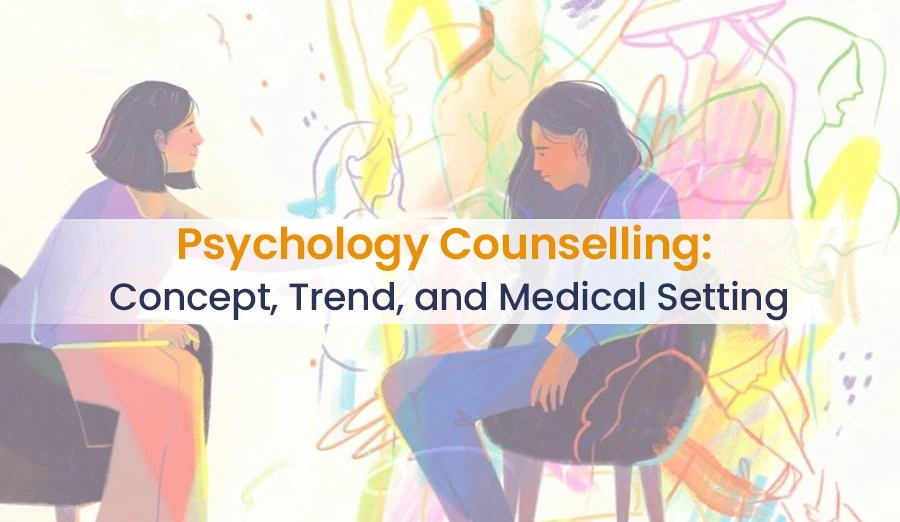
Hello Reader! Welcome to the blog page of Mind’s Eye by Dr. Rupa Talukdar, one of the best psychological counsellor in Kolkata. Psychology counselling plays a vital role in mental health care, providing individuals with the support, guidance, and tools needed to navigate emotional, psychological, and behavioural challenges. In today’s fast-paced world, stress, anxiety, depression, and relationship issues have become increasingly common, making professional psychological counselling more essential than ever. At Mind’s Eye, we are committed to offering expert psychology counselling services, helping individuals lead healthier, more fulfilling lives. As the best psychological counsellor in Kolkata, Dr. Rupa Talukdar provides compassionate, evidence-based therapy to those in need. In this blog, we will explore the concept of psychology counselling, its evolving trends, and how it integrates within the medical setting. Understanding Psychology CounsellingCore Aspects of Psychology Counselling:Emerging Trends in Psychology Counselling1. Online Counselling & Teletherapy2. Mindfulness & Holistic Therapies3. Cognitive Behavioral Therapy (CBT) & Trauma-Informed Care4. Integrating AI & Mental Health Apps5. Corporate Mental Health Programs6. Inclusivity & Cultural Sensitivity in CounsellingPsychology Counselling in a Medical Setting1. Psychological Counselling in Hospitals2. Psychological Counselling in Rehabilitation Centers3. Mental Health Clinics & Private PracticesWhat are the benefits of using mobile apps for mental health?Key Benefits:Functionality:Specific Mental Health Apps:What are the benefits of online counseling and teletherapy?1. Convenience2. Increased Access to Care3. Diverse Selection of Providers4. Comfort and Control5. Enhanced Privacy6. Cost-Effectiveness7. Flexibility in Communication8. High Satisfaction RatesWhat role does mindfulness play in modern counseling practices?Benefits of Mindfulness in CounselingHow to Apply Mindfulness in Counseling SessionsFAQWhy Choose Mind’s Eye for Psychological Counselling?Conclusion Understanding Psychology Counselling Psychology counselling is a therapeutic approach that helps individuals manage emotional distress, behavioural issues, and mental health conditions. It involves structured sessions where a trained counsellor listens, analyzes, and provides evidence-based interventions to address psychological challenges. Core Aspects of Psychology Counselling: ✔ Emotional Support: Providing a safe space for individuals to express their thoughts and emotions without judgment.✔ Problem-Solving Strategies: Helping clients develop coping mechanisms to deal with stress, anxiety, and other psychological concerns.✔ Behavioral Modification: Guiding individuals in overcoming negative thought patterns and unhealthy behaviours.✔ Personal Growth: Encouraging self-awareness, self-acceptance, and improved interpersonal relationships. As one of the best psychological counsellors in Kolkata, Dr. Rupa Talukdar specializes in tailoring counselling techniques to meet the unique needs of each client, ensuring effective results and long-term well-being. Emerging Trends in Psychology Counselling The field of psychology counselling has evolved significantly...

Communication is the foundation of every strong relationship—whether it’s with a partner, friend, family member, or colleague. It’s how we express love, resolve conflicts, and build emotional connections. However, when communication fails, even the strongest bonds can weaken. Communication problems in relationships can lead to misunderstandings, emotional disconnection, and even breakups. Many relationships don’t end because of a lack of love but because of an inability to communicate effectively. In this guide, we’ll explore how poor communication affects relationships, signs of communication breakdown, and strategies to improve communication for a healthier and more fulfilling connection. The Role of Communication in Healthy RelationshipsSigns of Communication Problems in Relationships1. Frequent Misunderstandings2. Silent Treatment or Avoidance3. Constant Criticism or Defensiveness4. Feeling Unheard or Invalidated5. Increased Emotional Distance6. Avoiding Difficult ConversationsHow Poor Communication Can Damage Relationships1. Creates Emotional Distance2. Leads to Frequent Conflicts3. Increases Stress and Anxiety4. Weakens Trust and Intimacy5. Creates Resentment Over Time6. Can Lead to Breakups or DivorceCommon Causes of Communication Breakdown1. Lack of Emotional Awareness2. Fear of Conflict3. Technology Distractions4. Different Communication Styles5. Unspoken Expectations6. Past Relationship TraumaHow to Improve Communication in Relationships1. Practice Active Listening2. Express Yourself Clearly3. Stay Calm During Conflicts4. Make Time for Meaningful Conversations5. Show Appreciation and Affection6. Seek Professional HelpFrequently Asked Questions (FAQs)1. How do I know if my relationship has communication problems?2. Can poor communication ruin a marriage?3. How can I communicate better with my partner?4. What should I do if my partner refuses to communicate?5. Can communication issues be fixed?Overcoming Communication Problems in Relationships for a Stronger Bond The Role of Communication in Healthy Relationships Effective communication is more than just talking—it’s about truly understanding and being understood. A healthy relationship thrives on: Clear expression of feelings – Openly sharing emotions prevents misunderstandings. Active listening – Paying attention and responding thoughtfully strengthens bonds. Respectful conflict resolution – Handling disagreements maturely avoids long-term damage. Non-verbal communication – Body language, tone, and facial expressions matter. Without these elements, relationships suffer from confusion, resentment, and emotional detachment. Signs of Communication Problems in Relationships Many couples or individuals don’t realize they have communication issues until conflicts escalate. Some warning signs include: 1. Frequent Misunderstandings You often feel like your words are misinterpreted. Conversations lead to unnecessary arguments. 2. Silent Treatment or Avoidance One or both partners shut down instead of addressing issues. Problems are ignored rather than resolved. 3. Constant Criticism or Defensiveness Conversations feel more like...

Hello Reader! Welcome to the blog page of Mind’s Eye by Dr. Rupa Taukdar, one of the best psychological counselor in Kolkata. In any relationship, whether personal or professional, communication plays a crucial role in building trust, resolving conflicts, and fostering emotional connection. Miscommunication, on the other hand, can lead to misunderstandings, resentment, and emotional distance. As the best psychological counselor in Kolkata, I have witnessed how counseling interventions focused on effective communication can transform strained relationships and bring individuals closer. The Importance of Communication in RelationshipsHow Counseling Enhances Communication1. Active Listening Techniques2. Assertiveness Training3. Non-verbal communication Awareness4. Conflict Resolution Strategies5. Emotional Regulation Techniques6. Relationship-Building ExercisesHow Counseling Strengthens Various Relationships1. Strengthening Romantic Relationships2. Improving Parent-Child Relationships3. Enhancing Workplace Relationships4. Strengthening FriendshipsWhat are the benefits of active listening in relationship counseling?How does counseling help in improving empathy between partners?How does empathy in counseling help in resolving conflicts between partners?What are some practical communication strategies taught in counseling sessions?Why Choose Counseling for Strengthening Relationships?Final Thoughts The Importance of Communication in Relationships Communication is the foundation of any strong relationship. It helps individuals express their feelings, needs, and expectations clearly, reducing the chances of misunderstandings. When couples, family members, or colleagues struggle with poor communication, they often find themselves in repeated conflicts, unable to resolve issues constructively. Some key benefits of effective communication in strengthening relationships include: Building Trust and Understanding: Open and honest conversations create a safe space where individuals feel heard and valued. Conflict Resolution: Healthy communication allows individuals to address issues before they escalate into serious conflicts. Emotional Intimacy: Sharing thoughts and feelings helps partners and family members feel connected and emotionally supported. Mutual Respect: When people communicate respectfully, they acknowledge each other’s perspectives, fostering mutual respect. Reduced Anxiety and Stress: Clear communication reduces uncertainty and misunderstandings, minimizing unnecessary stress in relationships. How Counseling Enhances Communication Professional counseling provides a structured environment where individuals can explore communication barriers and develop healthier ways to interact. As the best psychological counselor in Kolkata, I have helped many individuals and couples strengthen their relationships through improved communication techniques. Some key strategies used in counseling to enhance communication include: 1. Active Listening Techniques Often, people listen to respond rather than to understand. In counseling, active listening techniques are emphasized, which include: Maintaining eye contact and showing attentiveness Paraphrasing and summarizing what the other person has said Asking clarifying questions to ensure understanding By practicing...


