-
129, Block-A Bangur Avenue, Mousumi Appartment, Kolkata 700055

129, Block-A Bangur Avenue, Mousumi Appartment, Kolkata 700055

The school and college years can bring exciting opportunities, but they can also involve academic pressure, examination stress, peer concerns, changing relationships, career uncertainty, and emotional challenges. Students counselling at Mind’s Eye aims to give young people a supportive environment where they can discuss concerns, understand themselves better, and develop practical ways to manage everyday challenges.
Mind’s Eye describes its student counselling approach as addressing academic, emotional, social, and future-planning needs, while also encouraging appropriate parent and family involvement.
Students may not always feel comfortable discussing their worries with parents, teachers, or friends. A professional counselling environment can provide a confidential and non-judgmental space for them to express their thoughts and feelings.
Counselling is not only for students experiencing serious difficulties. It can also support personal development, self-awareness, confidence, communication, decision-making, and healthy coping skills. Research on school counselling in India highlights the important role counsellors can play in supporting student mental health and overall development.
Academic expectations can sometimes become overwhelming. Exams, assignments, competitive examinations, performance comparisons, and uncertainty about results may contribute to stress.
Students counselling can help young people:
Mind’s Eye specifically identifies academic guidance, study habits, time management, and strategies for overcoming academic challenges as areas of student counselling.
Yes. Adolescence and young adulthood involve significant emotional and social development. Students may experience loneliness, low confidence, friendship difficulties, family concerns, peer pressure, or difficulty communicating their feelings.
A supportive counselling process can encourage students to recognise emotions, communicate concerns, develop resilience, and identify constructive coping strategies. Mental health education and supportive school environments can also improve mental health literacy and encourage appropriate help-seeking among young people.
Friendships and peer relationships can strongly influence a student’s everyday experience. Conflicts, bullying, social isolation, communication difficulties, or pressure to fit in can affect confidence and wellbeing.
Counselling can help students understand interpersonal situations, practise healthier communication, establish appropriate boundaries, and consider constructive responses to conflict. The goal is not to make decisions for the student but to help them develop the awareness and skills needed to handle situations more effectively.
Career decisions can feel confusing, particularly when students have many educational and professional options. Career counselling can help students explore their interests, strengths, abilities, aspirations, and possible career directions.
Mind’s Eye includes career and future planning within its student counselling services, including guidance related to college choices, scholarships, and career options.
Good career guidance should encourage informed decision-making rather than pushing a student toward a particular profession. Understanding personal interests and capabilities can help young people approach future choices with greater clarity.
Parents remain an important part of a child’s support system. However, young people may sometimes find it difficult to communicate openly at home.
With appropriate consent and professional boundaries, parents can learn ways to support their child’s academic, emotional, and social development. Mind’s Eye encourages parent and family involvement as part of its student counselling approach.
Parents can also help by listening without immediately judging, avoiding excessive comparisons, recognising effort rather than focusing only on results, and encouraging healthy routines.
There is no single sign that determines when counselling is necessary. However, parents and educators may consider professional support when a student experiences persistent or disruptive difficulties involving areas such as:
A professional assessment can help determine what type of support may be appropriate.
Young people are more likely to engage meaningfully when they feel respected, heard, and understood. Counselling should therefore be age-appropriate, compassionate, and tailored to the individual’s circumstances.
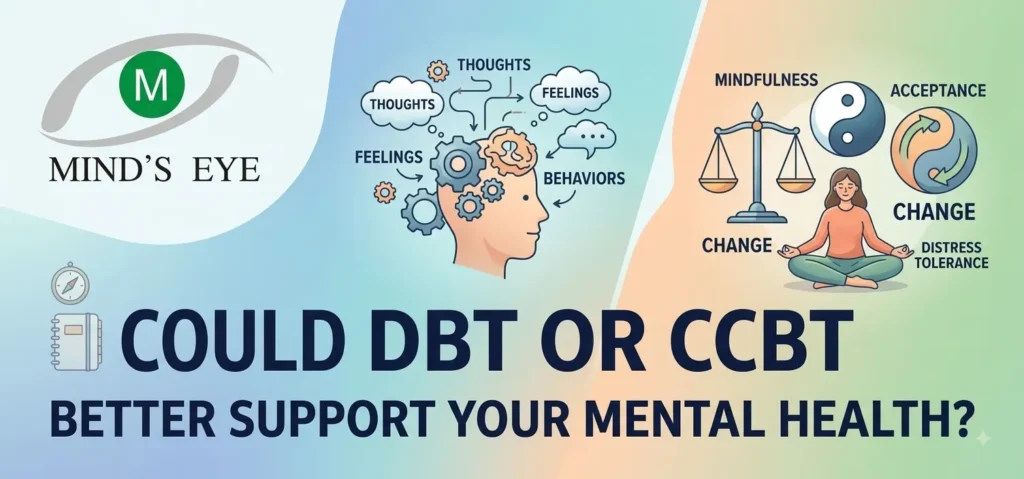
Mind’s Eye states that its broader counselling approach is client-centred and uses different therapeutic approaches according to individual needs. Its team includes professionals working in areas such as student motivation, child-parent counselling, mindfulness, positive psychology, CBT, and related counselling fields.
Counselling is one part of a student’s overall support system. Young people can also benefit from healthy daily habits such as:
India has also placed increasing emphasis on holistic student development, including self-awareness, emotional regulation, relationships, and social wellbeing.
Mind’s Eye positions student counselling as a comprehensive support service covering academic guidance, emotional and social wellbeing, career planning, and family involvement. Its broader counselling services also emphasise personalised care and approaches tailored to individual needs.
For students and parents, the objective should be more than simply solving an immediate problem. Effective support can help young people understand their strengths, manage challenges, improve coping skills, and gradually become more confident in making decisions.
What is students counselling?
Students counselling is professional guidance designed to help young people manage academic, emotional, social, behavioural, and future-planning challenges.
Can counselling improve academic performance?
Counselling can help address factors that interfere with learning, such as poor study habits, stress, low motivation, time-management difficulties, and lack of confidence.
Is students counselling only for students with serious problems?
No. Counselling can also support personal growth, emotional awareness, motivation, communication, decision-making, and healthy adjustment.
Can parents participate in student counselling?
Depending on the student’s age, circumstances, consent, and professional boundaries, parents may be involved appropriately. Mind’s Eye encourages family involvement in supporting students.
Can counselling help students choose a career?
Yes. Career guidance can help students explore their interests, strengths, educational opportunities, and potential career pathways before making important decisions.
How can I seek student counselling at Mind’s Eye?
Mind’s Eye provides student counselling among its counselling services and offers consultation through its Kolkata practice. Its official website provides contact and appointment information.

27.08.2026