-
129, Block-A Bangur Avenue, Mousumi Appartment, Kolkata 700055

129, Block-A Bangur Avenue, Mousumi Appartment, Kolkata 700055

Breaking bad habits can be challenging, but with smart strategies and expert guidance, lasting change is possible. Learn effective ways to overcome unwanted behaviors. Breaking bad habits is something almost everyone struggles with at some point. Whether it's nail-biting, procrastination, smoking, or unhealthy eating, these repetitive behaviors can interfere with your happiness, health, and productivity. What often makes these habits frustrating is how automatic and ingrained they become — sometimes we don’t even realize we're doing them. But here's the good news: breaking bad habits is entirely possible. It’s not just about strong willpower or sheer determination. It involves understanding the underlying psychological patterns and applying smart, evidence-based strategies designed to reshape behaviors sustainably. What Are Bad Habits and Why Do They Form?The Habit Loop: Cue, Routine, RewardWhy Is Breaking Bad Habits So Difficult?Smart Strategies for Breaking Bad Habits1. Identify Your Triggers2. Replace the Habit, Don’t Just Stop It3. Use Habit Stacking4. Set Clear, Realistic Goals5. Practice Mindfulness and Self-Awareness6. Leverage Positive Reinforcement7. Adjust Your Environment8. Seek Social SupportThe Role of Professional Counseling in Breaking Bad HabitsFAQs About Breaking Bad HabitsQ1. How long does it take to break a bad habit?Q2. Is willpower alone enough to break a habit?Q3. Can bad habits affect mental health?Q4. How can I stay motivated when trying to break a bad habit?Q5. What if I relapse or slip back into the habit?From Challenge to Change In this post, we’ll explore how habits form, why breaking them can be tough, and most importantly, share effective techniques to help you break bad habits for good. This knowledge can empower you to take control of your behavior and live a healthier, happier life. What Are Bad Habits and Why Do They Form? Before tackling how to break bad habits, it’s important to understand what they really are. Bad habits are learned behaviors that may provide short-term pleasure or relief but ultimately cause harm or interfere with your goals. Examples include smoking, excessive screen time, unhealthy eating, negative self-talk, or even chronic procrastination. The Habit Loop: Cue, Routine, Reward Psychologists describe habit formation as a loop consisting of three components: Cue: A trigger or signal that tells your brain to start the habit. This could be stress, boredom, time of day, or certain environments. Routine: The behavior or action you perform (e.g., reaching for a cigarette, checking your phone). Reward: The positive feeling or relief you get after completing...

Hello Reader! Welcome to the blog page of Dr. Rupa Talukdar, the best psychological counsellor in Kolkata. Habits are the silent architects of our lives. From brushing our teeth in the morning to how we react under stress, our habits shape our behavior, emotions, and overall well-being. But have you ever wondered how habits form and, more importantly, how they can be changed? As the best psychological counsellor in Kolkata, I often help individuals understand their behavior patterns and guide them toward meaningful change. In this blog, let’s explore the science behind how habits form and practical strategies to break bad habits or develop healthier ones. Understanding How Habits Form1. Cue (Trigger)2. Routine (Behavior)3. RewardWhy Are Habits So Hard to Break?How to Change Habits: A Step-by-Step Guide1. Identify the Habit Loop2. Replace the Routine3. Start Small4. Use Positive Reinforcement5. Be Patient and ConsistentHow Can a Psychological Counsellor Help?Real-Life ExamplesWhat are the key psychological factors that influence habit formation?1. Repetition and Consistency2. Contextual Cues and Triggers3. Motivation4. Reward and Reinforcement5. Difficulty and Simplicity of the Behavior6. Environmental and Social Influences7. Persistence and Discipline8. Biological and Cognitive Factors9. Emotional StatesHow can environmental cues influence habit formation?Automatic Responses to Environmental CuesTypes of Environmental CuesWhat are some common obstacles to habit formation?The Science Behind Environmental InfluenceFAQ1: How do habits form in the brain?2: How long does it take to form a new habit?3: Can bad habits be broken permanently?4: Why do I go back to old habits even after trying to change?5: What’s the most effective way to change a habit?Final Thoughts Understanding How Habits Form How habits form can be explained through a psychological concept called the “habit loop,” which consists of three key components: 1. Cue (Trigger) This is the signal that initiates the habit. It could be a time of day, an emotional state, or even a specific environment. 2. Routine (Behavior) This is the action or behavior that follows the cue. It could be something as simple as drinking tea when you feel tired or checking your phone every few minutes. 3. Reward This is the positive reinforcement you get from completing the routine, which makes you more likely to repeat the behavior. Over time, this loop becomes automatic. Understanding this cycle is crucial if you want to change any behavior. As the best psychological counsellor in Kolkata, I use this model frequently to help clients recognize the unconscious patterns...

Therapy myths can stop people from seeking the help they need. Learn the truth behind common misconceptions from the perspective of a reputed psychological counselor. Therapy is a powerful tool for emotional healing, self-discovery, and mental health management. Yet, many people hesitate to seek it, not because they don't need help, but because of long-standing therapy myths that cloud their judgment. Why Understanding Therapy Myths Matters7 Common Therapy Myths and the Truth Behind ThemMyth 1 – “Therapy is only for people with serious mental illnesses.”Truth:Myth 2 – “Talking to a friend is just as good as seeing a therapist.”Truth:Myth 3 – “Therapy means lying on a couch and crying.”Truth:Myth 4 – “Therapists will judge me or think I’m weak.”Truth:Myth 5 – “Therapy is endless. You’ll be in it forever.”Truth:Myth 6 – “If I go to therapy, people will think I’m unstable.”Truth:Myth 7 – “Therapists will just tell me what to do.”Truth:How to Identify and Let Go of Harmful Therapy MythsWhen Should You Consider Therapy?Role of Professional Counselors in Breaking Therapy MythsFAQs About Therapy and CounselingQ1. Can therapy really help with daily stress and not just trauma?Q2. Is online therapy as effective as in-person sessions?Q3. How do I know if my therapist is the right fit?Q4. Will my information remain confidential?Q5. Do I need a diagnosis to start therapy?Let Truth Guide Your Healing From thinking therapy is only for the “mentally ill” to assuming it's all about lying on a couch and talking about childhood, these misconceptions are not just unhelpful—they're harmful. This article breaks down the most common myths about therapy and highlights the truth, empowering you to make informed, stigma-free decisions for your mental wellbeing. Why Understanding Therapy Myths Matters The hesitation to seek therapy often stems from a lack of information—or worse, misinformation. Mental health professionals see countless individuals delay or avoid therapy altogether because of fear, shame, or uncertainty. Understanding what therapy is not can be just as valuable as knowing what it is. When you uncover and confront therapy myths, you're one step closer to seeking help with clarity, confidence, and the freedom to grow. 7 Common Therapy Myths and the Truth Behind Them Let’s debunk some of the most persistent myths about therapy with expert-backed insights and a human-centered approach. Myth 1 – “Therapy is only for people with serious mental illnesses.” Truth: This myth is one of the biggest reasons many people avoid therapy....

Parenting Practices for shy and quiet kids can help them thrive emotionally. Learn expert tips guided by insights from a reputed counselor. Understanding the Nature of Quiet and Shy Kids Every child is different. While some jump headfirst into social situations, others prefer to observe from a distance. These quiet or shy behaviors are not flaws—they’re simply personality traits that require a different parenting approach. Recognizing this distinction is the first step in building a nurturing environment that fosters your child’s emotional wellbeing. Understanding the Nature of Quiet and Shy KidsWhy Parenting Styles Matter More for Shy KidsRecognizing the Emotional Needs of Shy ChildrenBest Parenting Practices That Truly Help1. Create Predictable Routines and Environments2. Validate Their Feelings—Don't Minimize Them3. Promote Gradual Exposure to Social Settings4. Model Calm and Confident Social Behavior5. Foster Autonomy Through Choices6. Build Communication Skills Through PlayUsing Thoughtful Parenting Practices to Nurture ConfidenceSigns You Might Want Professional GuidanceFAQs on Parenting Quiet and Shy ChildrenQ1: Is shyness a sign of a problem in children?Q2: How can I help my child make friends?Q3: Will my child always be shy?Q4: Should I force my child to speak in public?Q5: What’s the difference between introversion and social anxiety?The Role of Mindful Counseling in Parenting PracticesQuiet Kids, Loud Potential Quiet kids often have rich inner worlds. They're thinkers, observers, and sensitive to their surroundings. However, without the right parenting practices, they might struggle with self-confidence or social anxiety. That’s where mindful parenting plays a crucial role. Why Parenting Styles Matter More for Shy Kids Children who are naturally reserved may feel overwhelmed in environments that demand constant interaction. Traditional methods of encouraging children to “speak up” or “fit in” can backfire and cause more stress. Instead, gentle, supportive, and patient parenting helps children grow in ways that honor their temperament. A mental health professional would often recommend a parenting strategy that emphasizes understanding over fixing, and acceptance over change. Recognizing the Emotional Needs of Shy Children Before diving into effective parenting techniques, it’s vital to understand what quiet or shy children need the most: Emotional Safety: A secure environment where they can express without fear of judgment. Time to Warm Up: Space and time to get comfortable in new situations or with new people. Respect for Solitude: Understanding that alone time can be restorative for them. Encouragement Without Pressure: Gentle motivation to step out of their comfort zone, without force. Best Parenting...
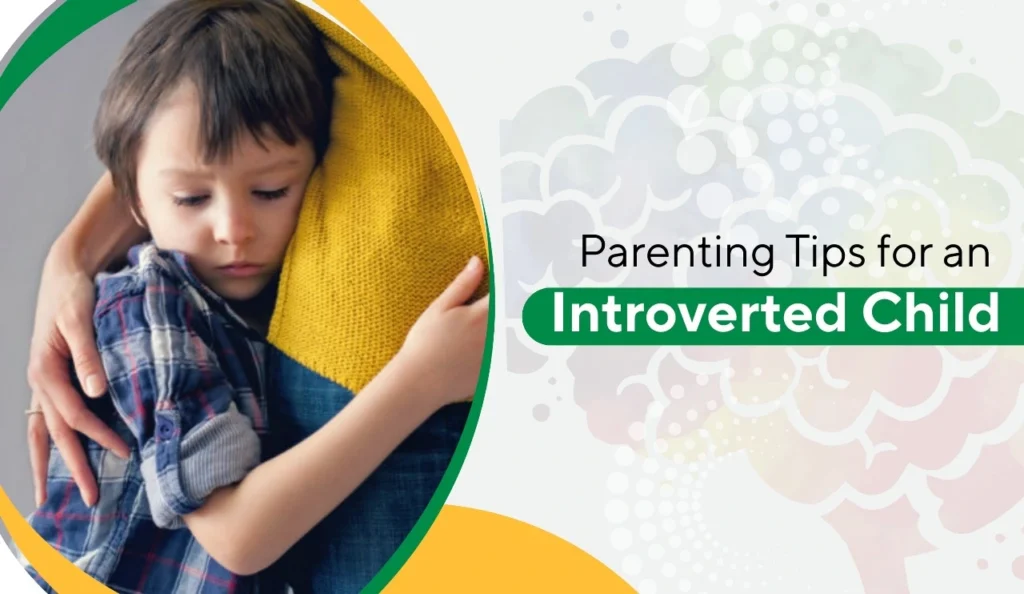
Hello Reader! Welcome to the blog page of Dr. Rupa Talukdar, one of the best psychological counsellor in Kolkata. Parenting is a beautiful yet challenging journey, and it becomes even more nuanced when raising an introverted child. In a world that often praises outgoing personalities, introverted children may be misunderstood, pressured to change, or seen as "shy" or "too quiet." However, introversion is not a weakness—it is a personality trait that carries its own strengths. As the best psychological counsellor in Kolkata, I’ve guided many parents through understanding and supporting their introverted children in a healthy and empowering way. In this blog, I’ll share key insights and practical tips for parenting an introverted child with compassion, patience, and psychological wisdom. Understanding an Introverted Child1. Accept Your Child’s Personality Without Trying to Change It2. Create a Safe and Comfortable Environment3. Encourage Expression Without Forcing It4. Promote Social Interaction Through Comfortable Settings5. Support Their Interests and Creative Outlets6. Teach Them Coping Strategies for Overstimulation7. Model Respectful Social Behaviour8. Don’t Label Them as “Shy” or “Too Quiet”Q: How do I know if my child is introverted?Q: Should I push my introverted child to be more social?Q: Is being introverted a disadvantage for my child?Q: How can I support my introverted child emotionally?Q: When should I seek professional help for my introverted child? Understanding an Introverted Child An introverted child is not necessarily shy or anti-social. Instead, introversion refers to where they get their energy from. While extroverted children thrive on external stimulation and social interaction, introverted children feel recharged and most at peace in calm, familiar, and quiet environments. Common traits of an introverted child may include: Preferring solitude or quiet play Having a small circle of close friends Thinking deeply before speaking Being sensitive to loud noises or chaotic surroundings Enjoying creative, individual activities like reading or drawing Understanding these traits is the first step in becoming an effective and supportive parent to an introverted child. Key Parenting Tips for an Introverted Child 1. Accept Your Child’s Personality Without Trying to Change It As the best psychological counsellor in Kolkata, I often meet parents who worry that their child’s quiet nature might hinder them. It’s important to understand that introversion is not a problem that needs fixing. Celebrate your child’s uniqueness. Let them know they are loved for who they are, not who society wants them to be. 2. Create a Safe...

Emotional Intelligence shapes healthier families. Learn its value with insights from a reputed counselor. In a world where stress, digital distractions, and constant demands are the norm, families are often the first to feel the strain. Relationships that should feel nurturing and safe can sometimes become emotionally distant or reactive. One of the most powerful tools to restore connection, foster understanding, and build lasting trust within families is Emotional Intelligence. What Is Emotional Intelligence?Why Emotional Intelligence Is Crucial in Families1. Healthier Communication2. Reduced Conflicts3. Stronger Parent-Child Relationships4. Better Mental HealthBuilding Emotional Intelligence at HomeEncourage Self-AwarenessPractice Empathy RegularlyCreate Routines for ConnectionModel Calm Emotional ResponsesChallenges in Developing Emotional IntelligenceWhen to Seek Help from a ProfessionalHow Emotional Intelligence Supports ChildrenSupporting Emotional Intelligence Through Life StagesYoung Children (Ages 2–7)Pre-Teens and TeenagersAdults and Elderly Family MembersFAQsQ1: Can Emotional Intelligence be taught later in life?Q2: What’s the difference between empathy and sympathy?Q3: Are emotionally intelligent families always peaceful?Q4: How long does it take to develop Emotional Intelligence?Q5: Is Emotional Intelligence the same as being emotional?Building Stronger Family Connections with Emotional Intelligence The term may sound clinical, but its impact is deeply personal. Emotional Intelligence isn’t just about being sensitive — it's about navigating emotions effectively, both your own and those of others. And when practiced consistently at home, it can transform the entire family dynamic. What Is Emotional Intelligence? Emotional Intelligence, often abbreviated as EI or EQ, refers to the ability to: Recognize your own emotions Understand the emotions of others Manage emotional reactions Communicate effectively and empathetically Navigate social complexities calmly Psychologists identify five core components of Emotional Intelligence: Self-awareness Self-regulation Motivation Empathy Social skills These aren't just individual traits—they are essential tools for family life. Why Emotional Intelligence Is Crucial in Families When families develop Emotional Intelligence together, they create a culture of: Understanding instead of judgment Support instead of control Connection instead of isolation Here’s how it plays out: 1. Healthier Communication Misunderstandings often arise from poor emotional expression. When family members develop emotional vocabulary and learn to communicate openly, the entire household becomes more emotionally secure. 2. Reduced Conflicts With stronger emotional regulation, arguments shift from blame and yelling to problem-solving and listening. Children learn from adults, and the emotional tone of the home becomes calmer. 3. Stronger Parent-Child Relationships Children are especially impressionable. When parents model empathy and awareness, children not only feel seen and heard but also learn to mirror...


