-
129, Block-A Bangur Avenue, Mousumi Appartment, Kolkata 700055

129, Block-A Bangur Avenue, Mousumi Appartment, Kolkata 700055

Depression in Teenagers often intensifies during seasonal shifts. Learn how to identify signs, support your teen, and explore insights from a reputed psychological counselor. What is Seasonal Affective Disorder (SAD)?Recognizing the Symptoms of Depression in TeenagersCauses and Risk FactorsImpact on TeenagersStrategies to Manage and Alleviate SymptomsLight TherapyPsychotherapyMedicationLifestyle ModificationsThe Role of Parents and EducatorsFrequently Asked Questions (FAQs)Facing Seasonal Depression in Teenagers Together Seasonal changes can profoundly impact our well-being, and for teenagers, these shifts can be particularly challenging. One condition that emerges during specific times of the year is Depression in Teenagers, especially in the form of Seasonal Affective Disorder (SAD). Understanding this condition is vital for parents, educators, and the teens themselves to ensure timely support and intervention. What is Seasonal Affective Disorder (SAD)? Seasonal Affective Disorder is a type of depression that recurs annually, typically during the fall and winter months when daylight hours are shorter. While it can affect individuals of all ages, teenagers are particularly susceptible due to the unique physiological and psychological changes they experience during adolescence. Recognizing the Symptoms of Depression in Teenagers Identifying SAD in teenagers requires careful observation, as its symptoms can sometimes be mistaken for typical adolescent behavior. Key indicators include: Persistent Low Mood: A continuous feeling of sadness or hopelessness. Loss of Interest: Diminished interest in activities once enjoyed, including hobbies and social engagements. Sleep Disturbances: Oversleeping or struggling to wake up in the morning. Changes in Appetite: Craving carbohydrates leads to weight gain. Difficulty Concentrating: Struggling with focus, which can impact academic performance. Social Withdrawal: Avoiding friends, family, and social situations. It's essential to differentiate between occasional mood swings common in teenagers and a consistent pattern that aligns with seasonal changes. Causes and Risk Factors Several factors contribute to the onset of SAD in teenagers: Biological Clock Disruption: Reduced sunlight can disrupt the body's internal clock, leading to feelings of depression. Serotonin Levels: A drop in serotonin, a neurotransmitter affecting mood, might be triggered by reduced sunlight, leading to depressive symptoms. Melatonin Levels: The change in season can disrupt the balance of melatonin, which affects sleep patterns and mood. Teenagers residing in regions farther from the equator, where daylight hours are significantly reduced in winter, are at a higher rate of risk. Impact on Teenagers The repercussions of SAD in teenagers extend beyond mood disturbances: Academic Challenges: Difficulty concentrating can lead to declining grades and academic performance....
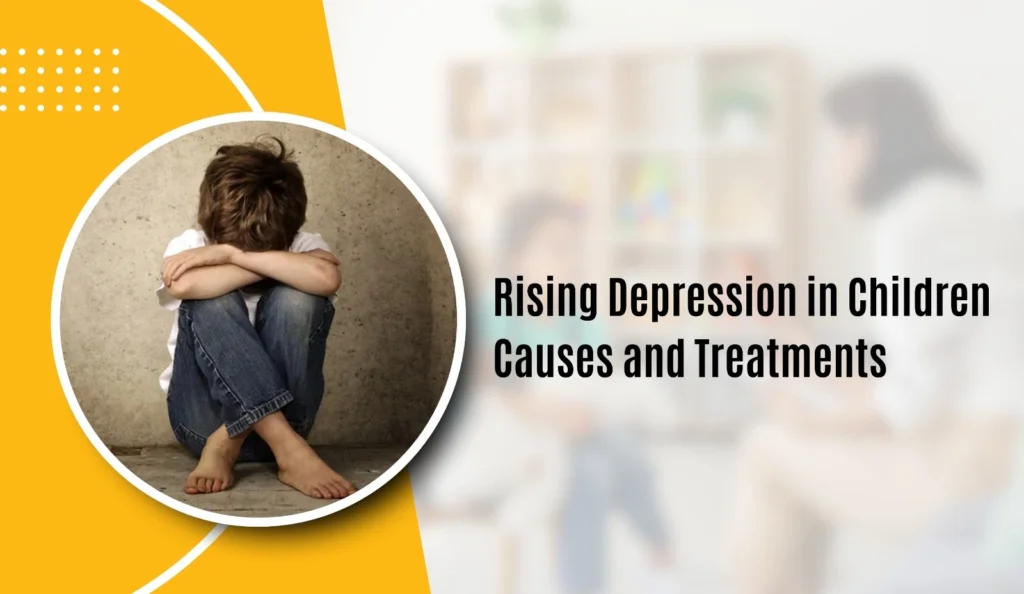
Hello Reader! Welcome to the blog page of Mind’s Eye by Dr. Rupa Talukdar, one of the best psychological counsellor in Kolkata. In recent years, the alarming rise in depression in children has become a significant concern for parents, educators, and mental health professionals. Childhood, which should be a time of joy and growth, is increasingly being overshadowed by stress, anxiety, and emotional struggles. As the best psychological counsellor in Kolkata, I have encountered numerous cases where children face depression due to various environmental, social, and biological factors. Understanding the root causes and implementing the right treatment strategies is crucial in tackling this growing issue. Understanding Depression in ChildrenCauses of Depression in Children1. Academic Pressure2. Family Conflicts and Parental Issues3. Bullying and Peer Pressure4. Lack of Emotional Support5. Genetic and Biological Factors6. Trauma and Abuse7. Excessive Screen Time and Social Media InfluenceSigns and Symptoms of Depression in ChildrenTreatment and Coping Strategies1. Professional Counselling and Therapy2. Parental Guidance and Family Therapy3. Medication (If Necessary)4. Encouraging Physical Activity and Hobbies5. Managing Screen Time and Social Media Exposure6. Building a Support System7. Teaching Emotional ResilienceWhat are the most effective treatments for childhood depression?1. Psychotherapy2. Medication3. Lifestyle ModificationsHow can parents recognize early signs of depression in their children?Emotional SignsBehavioral ChangesPhysical SymptomsCognitive SignsWhat role do genetic factors play in childhood depression?Genetic Influences on Childhood Depression1. Family History and Heritability2. Specific Genetic Variants3. Twin and Family StudiesGene-Environment InteractionsWhen to Seek HelpFAQConclusion Understanding Depression in Children Depression is more than just feeling sad or having occasional mood swings. It is a persistent condition that affects a child's emotions, thoughts, and behaviors. Unlike adults, children may not always express their feelings in words, making it difficult for parents to recognize the signs. If left untreated, depression in children can lead to severe emotional and developmental consequences. Causes of Depression in Children Several factors contribute to depression in children, and identifying these causes is the first step toward effective treatment. Some of the most common reasons include: 1. Academic Pressure The growing emphasis on academic excellence puts immense pressure on children. Fear of failure, competition, and parental expectations often lead to stress and, in some cases, depression. 2. Family Conflicts and Parental Issues Children are highly sensitive to family dynamics. Parental conflicts, divorce, domestic violence, or the loss of a loved one can trigger emotional distress, leading to depression. 3. Bullying and Peer Pressure Bullying, both online and offline,...

Discover effective strategies to combat childhood depression. Learn practical steps, expert insights, and how to support your child through depression. Find a reputed psychological counselor. Childhood depression is an increasing concern among parents, caregivers, and educators. With the rise in mental health issues among young ones, it’s crucial to identify and understand the underlying factors contributing to this problem. Depression in children can affect their academic performance, relationships, and overall well-being. However, there are effective strategies available to combat childhood depression and help children live healthier, happier lives. What is Childhood Depression?Signs and Symptoms of Childhood DepressionCauses of Childhood DepressionHow to Help Combat Childhood Depression1. Open Communication2. Seek Professional Help3. Build a Routine4. Encourage Physical Activity5. Provide Emotional Support and Encouragement6. Limit Screen Time7. Educate the Child About Depression8. Create a Supportive Environment at HomeFrequently Asked Questions (FAQs) About Childhood Depression1. How do I know if my child is depressed?2. Can childhood depression be treated?3. When should I seek professional help for my child’s depression?4. What can parents do to help a child with depression?Addressing Childhood Depression Early What is Childhood Depression? Childhood depression is a serious mental health condition that affects a child's mood, thoughts, behavior, and overall outlook on life. Unlike occasional sadness, depression persists and can significantly disrupt a child's daily activities. Early intervention is crucial for addressing the symptoms and preventing long-term effects. Signs and Symptoms of Childhood Depression Recognizing childhood depression can sometimes be difficult, as children may not have the vocabulary or emotional maturity to express their feelings. Here are some common signs to look out for: Persistent sadness or irritability: The child may seem constantly down or easily frustrated. Loss of interest: Activities they once enjoyed, like playing with friends or hobbies, no longer seem appealing. Social withdrawal: A depressed child may isolate themselves from family and peers. Physical complaints: Frequent headaches, stomachaches, or other unexplained physical symptoms. Changes in sleep or appetite: Difficulty sleeping, sleeping too much, or significant weight loss or gain. Poor performance in school: A child’s academic performance may decline due to lack of focus or motivation. If these symptoms persist for an extended period, seeking professional help from a professional psychological counselor is essential. Causes of Childhood Depression There is no single cause of childhood depression. Instead, a combination of factors can contribute to the onset of depression in children: Genetics: A family history of depression or other...

Marital disagreements are natural in any relationship, but how couples handle them can make all the difference. Conflict doesn’t always have to be a destructive force—it can be an opportunity for growth and understanding when approached correctly. Effective communication and peaceful resolution of issues are key to maintaining a strong and healthy marriage. In many cases, Marriage Counseling can provide couples with the right tools and strategies to navigate disagreements constructively, helping them strengthen their bond and build a more harmonious relationship. Why Do Marital Disagreements Happen?Strategies to Handle Marital Disagreements Without Conflict1. Practice Active Listening2. Use “I” Statements Instead of “You” Statements3. Take a Break If Needed4. Focus on Solutions, Not Blame5. Understand Each Other’s Triggers6. Develop a Conflict Resolution Ritual7. Seek Professional Guidance When NeededFAQs on Handling Marital Disagreements1. Is it normal to have disagreements in a healthy marriage?2. How can we prevent minor disagreements from turning into big fights?3. What should I do if my partner refuses to communicate during disagreements?4. Can professional counseling help with recurring marital disagreements?5. How can we rebuild trust after a major disagreement?Turning Conflict into Connection If you’ve ever struggled with frequent arguments or misunderstandings, this guide will help you understand how to handle marital disagreements in a way that fosters connection rather than conflict. Why Do Marital Disagreements Happen? Before diving into solutions, it’s important to recognize why disagreements arise in marriages. Some common reasons include: Differences in Communication Styles – One partner may prefer open discussions, while the other avoids confrontation. Unmet Expectations – Disappointment can lead to resentment if needs aren’t communicated effectively. Financial Stress – Money issues are one of the leading causes of marital tension. Parenting Conflicts – Differences in parenting approaches can create friction. Emotional Baggage – Past experiences and unresolved traumas can influence reactions to conflicts. Understanding the root cause of a disagreement can help couples address the issue more effectively rather than letting emotions take over. Strategies to Handle Marital Disagreements Without Conflict 1. Practice Active Listening One of the biggest challenges in resolving conflicts is truly listening to each other. Instead of waiting for your turn to speak, focus on understanding your partner’s perspective. Maintain eye contact and avoid distractions. Nod or use verbal affirmations like “I understand” or “That makes sense.” Summarize what your partner said to confirm understanding. When both partners feel heard, conflicts tend to de-escalate quickly. 2. Use “I”...

Recognizing early signs of depression in adults is crucial for mental well-being. Learn the key symptoms, risk factors, and when to seek help from one of the best psychological counselors. Recognizing Depression in Adults: Early Signs and SymptomsWhat is Depression in Adults?Key Characteristics of Depression in AdultsCommon Early Signs of Depression in Adults1. Persistent Sadness or Hopelessness2. Loss of Interest in Daily Activities3. Fatigue and Lack of Energy4. Sleep Problems5. Appetite and Weight Changes6. Difficulty Concentrating and Making Decisions7. Increased Irritability and Mood Swings8. Physical Symptoms Without a Medical Cause9. Feelings of Guilt or Worthlessness10. Suicidal Thoughts or Self-HarmWhy Do Adults Develop Depression?1. Biological Factors2. Psychological Factors3. Environmental and Social FactorsWhen to Seek Professional Help?Signs That You Should See a Mental Health Professional:How a Psychological Counselor Can HelpCommon Therapy Methods for Depression:Tips to Manage Early Signs of Depression in Adults1. Prioritize Mental and Physical Health2. Build a Support System3. Develop Healthy Coping Mechanisms4. Seek Professional Help EarlyFAQs on Depression in Adults1. How do I know if I have depression or just stress?2. Can depression be cured without medication?3. What is the difference between sadness and depression?4. Can work stress cause depression?5. Can depression go away on its own?Prioritizing Mental Health: Early Action Against Depression in Adults Recognizing Depression in Adults: Early Signs and Symptoms Mental health is as important as physical health, yet conditions like depression often go unnoticed until they become severe. Depression in adults is a common but serious condition that affects emotions, thoughts, and behaviors, leading to long-term consequences if left untreated. Many adults experience periods of sadness or stress, but when these feelings persist for weeks or months and start interfering with daily life, it could be a sign of depression. Early identification of symptoms can help individuals seek timely intervention and prevent their condition from worsening. In this guide, we will explore the common early signs of depression in adults, why it occurs, and when to seek professional help. What is Depression in Adults? Depression is a mood disorder that affects how a person feels, thinks, and functions in daily activities. Unlike temporary sadness, depression is persistent and can interfere with relationships, work, and personal well-being. Key Characteristics of Depression in Adults Persistent sadness, anxiety, or an "empty" mood Loss of interest in activities once enjoyed Difficulty concentrating or making decisions Sleep disturbances, either insomnia or excessive sleeping Changes in appetite and weight Unexplained physical...

Discover how nutrition plays a vital role in controlling aggressive behavior. Learn about key foods that help manage emotions and promote mental well-being. Aggression is a natural human response, but when it becomes uncontrollable or frequent, it can affect relationships, work performance, and overall mental well-being. While therapy and lifestyle changes are commonly recommended, one often overlooked factor in controlling aggressive behavior is diet. What we eat significantly impacts our brain function, neurotransmitter levels, and mood regulation. How Diet Affects Aggressive Behavior1. The Gut-Brain Connection2. The Role of Neurotransmitters3. Blood Sugar Levels and Mood SwingsBest Nutrients for Controlling Aggressive Behavior1. Omega-3 Fatty Acids2. Magnesium3. Tryptophan4. Vitamin B6 and B125. Antioxidants (Vitamin C & E)6. Complex Carbohydrates7. Probiotics and PrebioticsFoods to Avoid for Better Emotional ControlExcessive Sugar and Processed FoodsCaffeine and Energy DrinksArtificial Additives and PreservativesExcessive Alcohol ConsumptionHow to Incorporate a Mood-Stabilizing Diet into Your RoutineHow the Best Psychological Counselor Can HelpFAQs on Diet and AggressionQ1. Can food really help in controlling aggressive behavior?Q2. How long does it take for dietary changes to impact mood?Q3. Are there any specific foods that can instantly calm aggression?Q4. Should I completely eliminate sugar and caffeine?Q5. Can professional counseling help with aggression alongside dietary changes?Harnessing Nutrition and Therapy for a Calmer, Balanced Life Understanding the connection between nutrition and aggression can help individuals make informed dietary choices that support emotional balance. This article explores the science behind food’s impact on aggression and provides practical dietary recommendations for maintaining a calmer, more composed mindset. How Diet Affects Aggressive Behavior 1. The Gut-Brain Connection The gut and brain are closely linked through the gut-brain axis. A healthy gut microbiome can improve mood, reduce stress, and lower aggression levels. Processed foods, excessive sugar, and artificial additives can negatively affect gut health, leading to irritability and aggression. 2. The Role of Neurotransmitters Neurotransmitters like serotonin and dopamine regulate mood and behavior. Deficiencies in these chemicals can contribute to aggression, impulsivity, and anxiety. Certain foods help boost neurotransmitter production, promoting a sense of calm. 3. Blood Sugar Levels and Mood Swings Unstable blood sugar levels can cause mood swings and irritability, increasing the likelihood of aggressive outbursts. Maintaining a balanced diet with complex carbohydrates and proteins can stabilize energy levels and support emotional regulation. Best Nutrients for Controlling Aggressive Behavior 1. Omega-3 Fatty Acids Found in: Fatty fish (salmon, mackerel, sardines), flaxseeds, walnuts, chia seeds Benefits: Omega-3s play a crucial...