-
129, Block-A Bangur Avenue, Mousumi Appartment, Kolkata 700055

129, Block-A Bangur Avenue, Mousumi Appartment, Kolkata 700055

Depression can return even after recovery, but mindfulness-based cognitive therapy may help people recognise warning signs, manage negative thoughts, and reduce relapse risk through practical, evidence-informed skills.
Mindfulness-based cognitive therapy (MBCT) combines mindfulness practices with cognitive behavioural strategies to help people understand their thoughts, emotions, and behavioural patterns.It is specifically developed to help individuals who have experienced repeated episodes of depression.
For individuals searching for Mindfulness-based cognitive therapy in Kolkata, MBCT can offer a structured approach to developing greater awareness of emotional changes and responding to difficult thoughts without automatically becoming overwhelmed by them.
At Mind’s Eye, led by psychologist Dr Rupa Talukder, therapy focuses on helping individuals develop practical psychological skills for emotional awareness, self-regulation, and long-term mental well-being.
Mindfulness-based cognitive therapy is a structured psychological intervention that combines:
The approach teaches individuals to notice thoughts as mental events rather than automatically accepting every negative thought as fact.
A person experiencing depressive symptoms may, for instance, think:
“I am failing again.”
MBCT helps the person notice this thought, understand the emotional response it creates, and develop a more balanced way of responding instead of immediately becoming trapped in a negative thinking cycle learn from best psycological counsellor in Kolkata.
This is particularly relevant to mindfulness-based cognitive therapy for depression relapse prevention, where the goal is not to eliminate every negative thought but to reduce the likelihood that difficult thoughts will automatically trigger a prolonged depressive episode.
Depression relapse may begin with subtle changes, such as:
Mindfulness can help people become more aware of these changes earlier. Recognising warning signs may encourage timely support before symptoms become more severe.
Depressive thinking can often feel convincing and permanent. MBCT teaches individuals to observe thoughts without immediately reacting to them.
Instead of thinking:
“I am worthless.”
A person may learn to recognise:
I’m noticing my mind producing the thought that I’m not good enough”
This small shift can create psychological distance from negative thinking and reduce automatic emotional reactions.
Rumination involves repeatedly thinking about problems, mistakes, regrets, or negative experiences without reaching a solution.
Common examples include:
Mindfulness practices can help individuals notice when their mind is caught in repetitive thinking. Instead of following every thought, they can return their attention to the present moment.
Depression may involve excessive focus on:
Mindfulness encourages individuals to reconnect with the present moment through awareness of:
This does not mean ignoring past experiences or future responsibilities. Instead, it helps individuals develop a healthier relationship with their thoughts and emotions.
Some people may notice depressive symptoms only after they have become intense. MBCT encourages individuals to observe emotional changes earlier.
With regular practice, a person may become more aware of:
This awareness can support earlier coping and professional intervention when necessary.
| Aspect | How MBCT May Help |
| Negative thoughts | Helps individuals observe thoughts without automatically believing them |
| Rumination | Encourages awareness of repetitive thinking patterns |
| Emotional changes | Supports recognition of early mood changes |
| Stress | Teaches mindfulness-based stress management skills |
| Self-awareness | Improves understanding of personal triggers and responses |
| Relapse prevention | Helps develop strategies for responding to warning signs |
| Emotional regulation | Encourages healthier responses to difficult emotions |
Depression can return for different reasons. Possible contributing factors may include:
A previous depressive episode may also make a person more aware of certain emotional or behavioural patterns that appear before symptoms become severe.
This is why mindfulness-based cognitive therapy for depression relapse prevention focuses on awareness, self-understanding, and developing strategies for managing difficult experiences. If you are interested for psycologcal counselling from Dr Rupa Talukder click: https://mindseye.in/testimonials/
The specific structure of therapy may vary according to the individual’s needs, psychological history, symptoms, and treatment goals.
A psychologist may begin by understanding:
This assessment helps determine whether MBCT may be appropriate and whether additional psychological or medical support may be required.
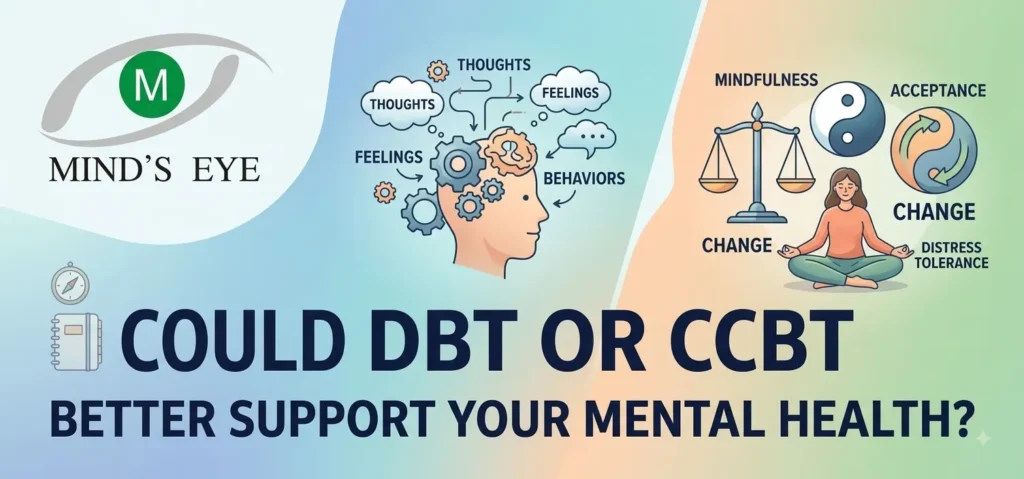
Individuals may learn how thoughts, emotions, physical sensations, and behaviours can influence one another.
For example:
Stress → Negative thoughts → Physical tension → Withdrawal → Lower mood
Mindfulness can help a person become more aware of this cycle.
Mindfulness exercises may include awareness of:
The purpose is to develop a more balanced and attentive relationship with internal experiences.
Cognitive Awareness
Individuals may learn to recognise unhelpful thought patterns, including:
The goal is not to force positive thinking but to develop more realistic and flexible thinking.
Developing a Relapse Prevention Plan
A personalised plan may include:
Improved Awareness of Thought Patterns
Mindfulness-Based Cognitive Therapy may help people see how unconscious thought patterns shape feelings and behaviour.
Better Emotional Regulation
Mindfulness can support a more deliberate response to difficult emotions rather than immediate reactions.
Reduced Automatic Reactivity
Instead of reacting automatically to every negative thought, individuals may learn to pause and observe their experience.
Greater Self-Compassion
Many people with depression experience harsh self-criticism. Mindfulness-based approaches can encourage a more understanding and balanced attitude towards oneself.
Better Recognition of Relapse Warning Signs
Understanding personal patterns may help individuals seek support earlier when concerning changes begin to appear.
MBCT may be helpful for many people with a history of recurrent depression, but the most appropriate treatment depends on individual circumstances.
A psychologist may consider:
MBCT should not be considered a replacement for urgent professional help when someone is experiencing severe symptoms or immediate safety concerns.
If a person has thoughts of self-harm or suicide, immediate professional and emergency support should be sought.
Mindfulness exercises are often discussed online, but structured therapy involves more than simply practising meditation.
A trained psychologist can help individuals:
For people looking for the best mindfulness-based cognitive therapy for depression relapse, the quality of care should be considered alongside the therapist’s professional training, experience, individualised approach, and ability to provide evidence-informed psychological support. Learn more how to cure CBT click here: https://www.practo.com/kolkata/therapist/dr-rupa-talukdar-psychologist/stories
Consider seeking professional psychological support if you notice:
People searching for Mindfulness-based cognitive therapy in Kolkata may benefit from consulting a qualified mental health professional to understand whether MBCT is suitable for their needs.
At Mind’s Eye, psychologist Dr Rupa Talukder provides psychological support with a focus on understanding individual emotional experiences and developing practical strategies for mental well-being.
Before beginning therapy, you may find it helpful to:
Maintain a Symptom Journal
Record changes in:
Identify Common Triggers
Consider situations that may contribute to emotional distress, such as:
Set Realistic Expectations
Mindfulness is a skill that generally develops with consistent practice. It is not about permanently eliminating stress or negative thoughts.
Be Honest During Therapy
Sharing your thoughts and emotional experiences openly can help the psychologist understand your needs more effectively.
| Feature | General Mindfulness Practice | Mindfulness-Based Cognitive Therapy |
| Main focus | Present-moment awareness | Mindfulness plus cognitive strategies |
| Structure | May be informal | Usually structured and therapeutic |
| Relapse prevention | May not be the main goal | A central focus for recurrent depression |
| Cognitive patterns | May not be specifically explored | Negative thinking patterns are examined |
| Professional support | Not always included | Guided by a trained mental health professional |
Yes, mindfulness-based cognitive therapy may help prevent depression relapse by helping individuals recognise negative thinking patterns, identify early emotional changes, reduce rumination, and respond to difficult experiences with greater awareness.
However, the effectiveness and suitability of therapy can vary from person to person. A qualified psychologist can help determine whether MBCT is appropriate as part of an individual’s broader mental health care plan. Check our address visit: https://maps.app.goo.gl/1vPhLTUQ2vWoB4Cv8
Can mindfulness-based cognitive therapy help prevent relapse?
Yes. Mindfulness-based cognitive therapy can support depression relapse prevention by helping people recognise early warning signs, observe negative thoughts, reduce rumination, and develop healthier responses to emotional distress.
Is MBCT only for people who currently have depression?
MBCT is particularly associated with people who have experienced depression, especially recurrent depression. However, the suitability of this approach depends on individual psychological needs and should be assessed by a qualified professional.
How does MBCT help with negative thoughts?
MBCT teaches individuals to notice negative thoughts as mental events rather than automatically accepting them as facts. This can create space to respond more thoughtfully.
Can MBCT reduce overthinking?
Mindfulness-based cognitive strategies may help individuals recognise repetitive thinking and return their attention to the present moment. This may support better management of rumination and overthinking.
How long does mindfulness-based cognitive therapy take?
The duration of therapy can vary depending on the individual’s needs, symptoms, goals, and treatment plan. A psychologist can recommend an appropriate structure after an initial assessment.
Is MBCT the same as meditation?
No. Meditation may be one component of MBCT, but MBCT also includes cognitive strategies, psychological education, emotional awareness, and relapse prevention planning.
Should I consult an MBCT therapist for depression relapse prevention?
If you have experienced depression before and are concerned about recurring symptoms, consult an MBCT therapist for depression relapse prevention to understand whether this approach may be suitable for your psychological needs.
Can MBCT replace medication for depression?
Treatment decisions should be individualised. MBCT should not be used to stop or change prescribed medication without consulting the treating medical professional.
How can I find the best mindfulness-based cognitive therapy for depression relapse?
Look for a qualified mental health professional with appropriate psychological training, experience relevant to your concerns, an evidence-informed approach, and a treatment plan tailored to your needs.
Why Choose Mind’s Eye for Psychological Support?
At Mind’s Eye, psychological care is approached with attention to the individual’s experiences, emotional needs, and personal goals.
Led by psychologist Dr Rupa Talukder, the practice focuses on helping individuals understand their emotional patterns and develop practical strategies for improved psychological well-being.
For people seeking mindfulness-based cognitive therapy for depression relapse prevention, professional guidance can help transform mindfulness from a general wellness activity into a structured psychological skill-building process.
Mindfulness-based cognitive therapy may help people with recurrent depression recognise warning signs, manage negative thinking, reduce rumination, and respond to emotional challenges more consciously. With professional guidance, MBCT can become a valuable part of a personalised relapse prevention plan. If you are concerned about depression returning, consult a qualified psychologist to explore whether this approach is suitable for you.