-
129, Block-A Bangur Avenue, Mousumi Appartment, Kolkata 700055

129, Block-A Bangur Avenue, Mousumi Appartment, Kolkata 700055
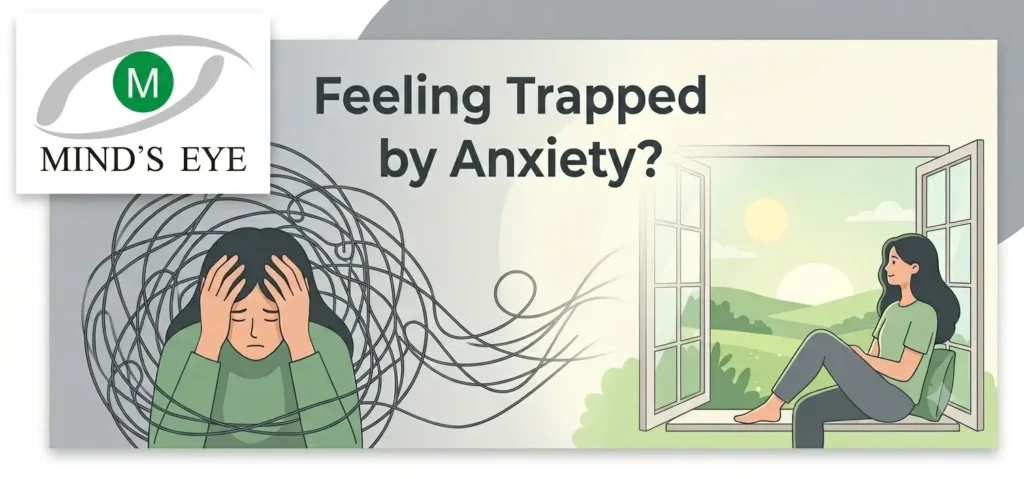
Anxiety can make everyday life feel overwhelming, but the right psychological support can help you understand triggers, manage anxious thoughts, and regain emotional balance with practical coping strategies.
Anxiety is more than occasional worry. When persistent fear, overthinking, restlessness, or physical tension begins affecting daily life, professional psychological counselling can provide structured support.
A best psychological counsellor in Kolkata can help individuals understand the emotional and behavioural patterns contributing to anxiety. Through personalised counselling, people may learn to identify triggers, challenge unhelpful thoughts, and develop healthier ways to respond to stress.
Anxiety can affect the mind, body, and behaviour. Common experiences include:
Not everyone experiences anxiety in the same way. For some people, it may appear as excessive thinking. For others, it may involve physical symptoms or a persistent feeling that something is wrong.
Anxiety can create a cycle:
Trigger → Anxious thought → Emotional distress → Physical symptoms → More worry
For example, a person may experience a small concern, imagine the worst possible outcome, feel physically tense, and then interpret that physical tension as evidence that something is seriously wrong.
Psychological counselling can help individuals understand these patterns and develop more balanced responses.
Anxiety may develop due to several emotional, psychological, and environmental factors, including:
Work pressure, academic demands, financial concerns, and personal responsibilities can contribute to prolonged stress.
Moving, relationship changes, career transitions, loss, or other significant events may create emotional uncertainty.
Repeatedly analysing past events or imagining negative future outcomes can maintain anxiety.
Difficult past experiences may influence how a person responds to current situations.
The constant fear of making mistakes or failing to meet unrealistic expectations can increase emotional pressure.
Counselling can help individuals understand what situations, thoughts, or experiences contribute to anxiety.
Common triggers may include:
Understanding triggers is an important step towards developing effective coping strategies.
Anxiety often involves thoughts such as:
A psychological counsellor can help individuals examine these thoughts and develop more realistic perspectives.
Counselling may introduce techniques that support emotional regulation, such as:
These skills may help individuals respond to anxiety with greater awareness instead of reacting automatically.
Some people cope with anxiety through avoidance, excessive reassurance-seeking, withdrawal, or overworking.
Counselling can help individuals explore whether these responses are providing temporary relief while maintaining anxiety in the long term.
Consider seeking professional support if anxiety:
Seeking counselling does not mean that a person is weak. It can be a proactive step towards understanding emotional well-being.
When searching for the best psychological counsellor in Kolkata, consider:
A strong therapeutic relationship can make it easier for individuals to discuss difficult thoughts and emotions openly.
The counselling process may vary according to individual needs.
The counsellor may explore:
You may gradually explore how thoughts, emotions, physical sensations, and behaviours interact.
The counsellor may help you identify practical ways to manage anxiety in everyday situations.
Counselling can involve reviewing what is working, identifying ongoing difficulties, and adjusting strategies when necessary.
Effective anxiety management does not necessarily mean forcing yourself to stop feeling anxious.
Instead, counselling may help you:
The objective is to build psychological flexibility rather than expect yourself to feel calm at every moment.
A trained psychological counsellor can provide a structured and confidential environment to explore emotional concerns.
Professional support may help individuals:
The treatment approach should be tailored to the person’s needs rather than based on a one-size-fits-all model.
Yes. A qualified psychological counsellor can help individuals understand anxiety triggers, recognise unhelpful thought patterns, develop coping strategies, and improve emotional regulation.
If anxiety is persistent or interferes with your daily life, sleep, relationships, work, or studies, consulting a qualified mental health professional may be helpful.
Counselling may help individuals understand repetitive thinking patterns and develop strategies to respond to anxious thoughts more effectively.
The duration varies depending on the individual’s concerns, goals, symptoms, and progress. A counsellor can discuss a suitable treatment plan after understanding your needs.
Consider professional qualifications, experience, counselling approach, communication style, and whether you feel comfortable discussing your concerns openly.
Professional counselling generally takes place within a confidential therapeutic setting, subject to applicable professional and safety-related guidelines.
Feeling trapped by anxiety can be exhausting, but you do not have to navigate persistent worry alone. Professional psychological counselling can help you understand anxiety patterns, develop practical coping skills, and improve emotional awareness. With personalised guidance from the right mental health professional, taking one step at a time can make anxiety feel more manageable