-
129, Block-A Bangur Avenue, Mousumi Appartment, Kolkata 700055

129, Block-A Bangur Avenue, Mousumi Appartment, Kolkata 700055

Depression can return even after recovery, but mindfulness-based cognitive therapy may help people recognise warning signs, manage negative thoughts, and reduce relapse risk through practical, evidence-informed skills. Mindfulness-based cognitive therapy (MBCT) combines mindfulness practices with cognitive behavioural strategies to help people understand their thoughts, emotions, and behavioural patterns.It is specifically developed to help individuals who have experienced repeated episodes of depression. For individuals searching for Mindfulness-based cognitive therapy in Kolkata, MBCT can offer a structured approach to developing greater awareness of emotional changes and responding to difficult thoughts without automatically becoming overwhelmed by them. At Mind’s Eye, led by psychologist Dr Rupa Talukder, therapy focuses on helping individuals develop practical psychological skills for emotional awareness, self-regulation, and long-term mental well-being. What Is Mindfulness-Based Cognitive Therapy? Mindfulness-based cognitive therapy is a structured psychological intervention that combines: Mindfulness meditation Cognitive therapy techniques Awareness of thoughts and emotions Stress management strategies Relapse prevention skills Non-judgmental self-observation The approach teaches individuals to notice thoughts as mental events rather than automatically accepting every negative thought as fact. A person experiencing depressive symptoms may, for instance, think: “I am failing again.” MBCT helps the person notice this thought, understand the emotional response it creates, and develop a more balanced way of responding instead of immediately becoming trapped in a negative thinking cycle learn from best psycological counsellor in Kolkata. This is particularly relevant to mindfulness-based cognitive therapy for depression relapse prevention, where the goal is not to eliminate every negative thought but to reduce the likelihood that difficult thoughts will automatically trigger a prolonged depressive episode. How Can MBCT Help Prevent Depression Relapse? 1. It Helps Identify Early Warning Signs Depression relapse may begin with subtle changes, such as: Persistent low mood Reduced interest in activities Social withdrawal Sleep changes Negative self-talk Reduced motivation Difficulty concentrating Increased rumination Mindfulness can help people become more aware of these changes earlier. Recognising warning signs may encourage timely support before symptoms become more severe. 2. It Helps People Observe Negative Thoughts Depressive thinking can often feel convincing and permanent. MBCT teaches individuals to observe thoughts without immediately reacting to them. Instead of thinking: “I am worthless.” A person may learn to recognise: I’m noticing my mind producing the thought that I’m not good enough” This small shift can create psychological distance from negative thinking and reduce automatic emotional reactions. 3. It May Reduce Rumination Rumination involves repeatedly thinking about...

Living in a multi-generational household can strengthen family bonds, but differences in values, communication, and responsibilities may create conflicts. Family counselling provides a supportive environment where every family member feels heard. Learn how professional guidance improves understanding, resolves disagreements, and promotes healthier relationships for families living together across multiple generations. Family Counselling Services in Kolkata help multi-generational families improve communication, resolve conflicts, and strengthen relationships through guidance from the best psychological counsellor in Kolkata. Family counselling helps families navigate communication challenges, emotional conflicts, parenting differences, and caregiving responsibilities. With professional guidance, every generation can better understand one another, improve problem-solving skills, and build stronger relationships. Counselling encourages mutual respect, emotional well-being, and long-term harmony within households that include grandparents, parents, and children. How Can Family Counselling Help Multi-Generational Households? Multi-generational households are becoming increasingly common as grandparents, parents, and children share the same home. While this living arrangement offers emotional support and shared responsibilities, it can also create misunderstandings due to differences in values, lifestyles, parenting styles, finances, and expectations. Family Counselling Services in Kolkata provide structured support to help every family member communicate openly, resolve disagreements, and build healthier relationships. Under the guidance of the best psychological counsellor in Kolkata, families learn practical strategies to improve understanding, reduce conflict, and create a more harmonious home environment. At Mind's Eye, led by Dr. Rupa Talukder, family counselling focuses on strengthening relationships through evidence-based therapeutic approaches tailored to the unique needs of each family. How Can Family Counselling Help Multi-Generational Households? Family counselling helps multi-generational households by improving communication, resolving conflicts, strengthening emotional connections, managing caregiving challenges, and encouraging mutual respect. Professional counselling enables family members of all ages to understand each other's perspectives and develop healthier ways to live together. Quick Overview Table QuestionAnswerWhat is family counselling?Professional guidance to improve family relationships and communication.Who benefits?Grandparents, parents, children, and caregivers living together.What issues are addressed?Communication, conflicts, parenting, caregiving, finances, and emotional stress.Is counselling confidential?Yes, sessions follow professional ethical standards.Why seek professional help?To improve family harmony and prevent long-term relationship problems. Why Do Multi-Generational Families Experience Conflicts? Families with multiple generations often have different experiences, beliefs, and expectations. Common reasons include: Communication gaps Parenting disagreements Financial stress Caregiving responsibilities Privacy concerns Lifestyle differences Technology-related conflicts Decision-making disagreements Emotional misunderstandings Role expectations Without effective communication, these issues may affect family relationships and emotional well-being. How Family Counselling Improves Family Relationships? Professional counselling encourages...

Parents guide and influence career decisions through beliefs, pressures and emotional support. How do parents affect career choices psychologically? A career counsellor in Kolkata helps align expectations with personal strengths and interests, offering clarity and confidence in career planning. About Dr Rupa Talukder: Chief Executive Counselling Psychologist RCI No.: CRR No. A50152; Experience : 23 Years Areas of Interest : Child-Parent Counselling, Career Counselling, Relationship, Family Counselling, Students Counselling-Motivation, MIndfulness Practices, Positive Psychology, Art Therapy, CBT Anger Management, Hopelessness, Phobia, Anxiety-Stress-OCD-etc. Handwriting Analysis and Verification and Improvement for better prospect in life She is best psycolgical counsellor in Kolkata. Understanding Parents’ Influence on Career Decisions Choosing a career is deeply psychological. How do parents affect career choices psychologically? Parents shape beliefs, values, confidence and aspirations in children. A career counsellor helps balance expectations with personal strengths, reducing stress and fostering self-exploration for better career decisions. Why Parents Matter in Career Choices? 1) Psychological Conditioning Parents influence values, motivation and self-esteem — core psychological drivers of career choice. 2) Expectation vs Identity High expectations may conflict with personal passions, impacting mental health and motivation. 3) Emotional Support or Pressure Support fosters confidence; pressure may result in anxiety, indecision or burnout. Key Psychological Factors Parental expectations impact career choices by shaping beliefs about success, influencing self-confidence, and affecting motivation. A career counsellor bridges gaps between expectations and personal aspirations. Parental Influence vs Career Outcomes Parental BehaviorPsychological ImpactCareer OutcomeSupportive GuidanceHigher ConfidencePositive PlanningStrict ExpectationsAnxiety & StressConflicted ChoicesLimited ExposureNarrow ViewLimited Career OptionsEncouragement of InterestsGrowth MindsetFlexible & Informed Choice Psychological Viewpoint Parents act as early role models. The brain’s development interacts with environmental cues — expectations become internalized standards. When children feel understood and supported, they explore careers without fear. Role of Career Counselling A career counselling service in Kolkata helps young adults by: Identifying strengths, interests & personality traits Reducing parental conflict through guided communication Supporting mental wellbeing Creating realistic career paths Case Insight: Mind’s Eye — Psych Support in Kolkata Mind’s Eye led by psychologist Dr. Rupa Talukder offers specialized counselling integrating psychology and career guidance to help families align expectations with authentic decision-making. How do parents affect career choices psychologically? Parents shape self-belief, expectations and stress responses, deeply influencing career decisions through emotional and cognitive conditioning. For more details career counselling from psycological counsellor click here: https://mindseye.in/empower-your-future-with-career-counselling-at-minds-eye/ Point-Wise Summary Parental expectations are powerful psychological influencers. Support increases exploration; pressure limits growth. A career...
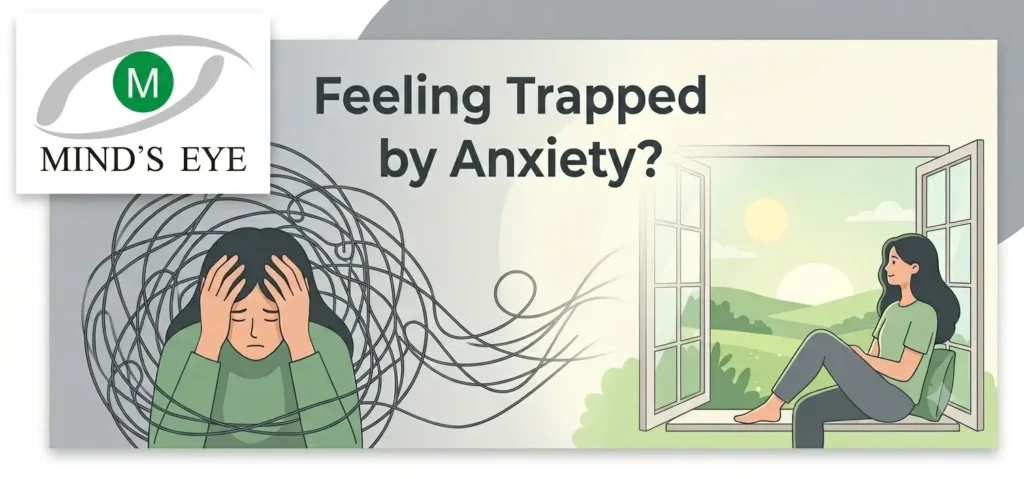
Anxiety can make everyday life feel overwhelming, but the right psychological support can help you understand triggers, manage anxious thoughts, and regain emotional balance with practical coping strategies. Can a Best Psychological Counsellor in Kolkata Help You Manage Anxiety? Anxiety is more than occasional worry. When persistent fear, overthinking, restlessness, or physical tension begins affecting daily life, professional psychological counselling can provide structured support. A best psychological counsellor in Kolkata can help individuals understand the emotional and behavioural patterns contributing to anxiety. Through personalised counselling, people may learn to identify triggers, challenge unhelpful thoughts, and develop healthier ways to respond to stress. What Does Anxiety Feel Like? Anxiety can affect the mind, body, and behaviour. Common experiences include: Constant worrying Racing thoughts Fear about the future Restlessness Difficulty concentrating Irritability Sleep problems Muscle tension Avoiding certain situations Feeling unable to relax Not everyone experiences anxiety in the same way. For some people, it may appear as excessive thinking. For others, it may involve physical symptoms or a persistent feeling that something is wrong. Why Does Anxiety Feel Difficult to Control? Anxiety can create a cycle: Trigger → Anxious thought → Emotional distress → Physical symptoms → More worry For example, a person may experience a small concern, imagine the worst possible outcome, feel physically tense, and then interpret that physical tension as evidence that something is seriously wrong. Psychological counselling can help individuals understand these patterns and develop more balanced responses. What Can Cause Anxiety? Anxiety may develop due to several emotional, psychological, and environmental factors, including: Ongoing Stress Work pressure, academic demands, financial concerns, and personal responsibilities can contribute to prolonged stress. Major Life Changes Moving, relationship changes, career transitions, loss, or other significant events may create emotional uncertainty. Overthinking Patterns Repeatedly analysing past events or imagining negative future outcomes can maintain anxiety. Emotional Experiences Difficult past experiences may influence how a person responds to current situations. Perfectionism The constant fear of making mistakes or failing to meet unrealistic expectations can increase emotional pressure. How Can Psychological Counselling Help With Anxiety? 1. Identifying Anxiety Triggers Counselling can help individuals understand what situations, thoughts, or experiences contribute to anxiety. Common triggers may include: Social situations Workplace pressure Academic performance Relationship concerns Health-related fears Uncertainty about the future Understanding triggers is an important step towards developing effective coping strategies. 2. Understanding Negative Thought Patterns Anxiety often involves thoughts such as: “What...

Anxiety can affect thoughts, emotions, relationships, work performance, and overall well-being. Psychotherapy provides evidence-based strategies to manage anxiety, improve emotional resilience, and restore balance. Through structured therapeutic approaches such as cognitive and behavioral interventions, individuals can better understand anxiety triggers, develop healthy coping skills, and achieve long-term mental wellness and emotional growth. Anxiety can make daily life overwhelming, affecting emotional health, productivity, and relationships. Working with the best psychological counsellor can help individuals identify triggers, develop coping strategies, and improve emotional regulation. The best psychological counsellor in Kolkata may use evidence-based approaches such as Dialectical Behavior Therapy for Mental Health and Mindfulness based cognitive therapy to support lasting recovery and improved mental well-being. Understanding Anxiety: More Than Everyday Stress Feeling nervous before an important event is normal. Anxiety disorders, however, involve persistent fear, excessive worry, and emotional distress that interfere with daily functioning. Common Anxiety Symptoms Emotional Symptoms Excessive worry Irritability Fear of losing control Restlessness Feeling overwhelmed Physical Symptoms Rapid heartbeat Sweating Muscle tension Fatigue Sleep disturbances Behavioral Symptoms Avoidance of situations Difficulty concentrating Social withdrawal Reduced productivity What Is Psychotherapy? Psychotherapy is a professional, structured treatment that helps individuals understand thoughts, emotions, and behaviors contributing to mental health challenges. Goals of Psychotherapy Reduce anxiety symptoms Improve emotional resilience Enhance coping skills Strengthen relationships Promote self-awareness Improve quality of life Why Anxiety Should Not Be Ignored? Untreated anxiety can affect many areas of life. Possible Consequences Relationship difficulties Work-related stress Reduced confidence Sleep problems Physical health concerns Emotional exhaustion Early intervention often leads to better outcomes. How Psychotherapy Helps Manage Anxiety? Identifying Anxiety Triggers Therapists help individuals recognize situations, thoughts, and experiences that contribute to anxiety. Common Triggers Workplace stress Relationship conflict Financial concerns Health worries Social situations Traumatic experiences Challenging Unhelpful Thinking Patterns Many anxiety disorders involve distorted thinking. Examples include: Catastrophizing Overgeneralization Excessive self-criticism Fear-based assumptions Therapy helps replace these patterns with balanced thinking. Building Healthy Coping Strategies Individuals learn practical tools to manage anxiety. Helpful Skills Relaxation techniques Emotional regulation Stress management Problem-solving strategies Communication skills Dialectical Behavior Therapy for Mental Health What Is Dialectical Behavior Therapy (DBT)? Dialectical Behavior Therapy for Mental Health is an evidence-based psychotherapy approach designed to improve emotional regulation and distress tolerance. Core Components Mindfulness Improves awareness of thoughts and emotions. Distress Tolerance Helps manage difficult situations without becoming overwhelmed. Emotional Regulation Supports healthy management of intense emotions. Interpersonal Effectiveness Improves...

Laughter is more than a moment of joy—it’s a natural therapy for emotional balance. In today’s stressful world, understanding how laughter supports mental health can transform everyday wellbeing. Psychology shows that laughter positively influences mood, relationships, and resilience, making it a powerful yet often overlooked tool for emotional healing and mental clarity. Guided by the Best psychological counsellor in Kolkata, many clients explore what are the psychological benefits of laughter? Laughter supports mental health wellbeing by reducing stress hormones, improving emotional regulation, and strengthening social bonds. Psychological counselling often integrates positive emotional experiences like laughter to promote resilience, self-awareness, and long-term emotional stability. Laughter improves mental health wellbeing by reducing stress hormones, boosting mood-enhancing chemicals like endorphins, and easing emotional tension. It helps lower anxiety, improves resilience, and strengthens social connections. Regular laughter supports a more positive mindset, enhances emotional balance, and contributes to overall psychological wellbeing in daily life. Can Laughter Really Heal the Mind About the Practice Learn from Psychological CounsellorWhat Are the Psychological Benefits of Laughter?How Laughter Supports Mental and Emotional Healing?Laughter as a Psychological Wellness ToolEmotional Benefits of Laughter Cognitive Benefits of Laughter Social & Behavioral Benefits Comparison Table: Laughter vs Chronic StressHow Laughter Supports Therapy Outcomes?Laughter in Psychological CounsellingWhy Do Mental Health Professionals Encourage Positive Emotion?Finally SaysFAQs About the Practice Learn from Psychological Counsellor At Mind's Eye, holistic psychological care is led by Dr Rupa Talukder, a trusted psychologist known for evidence-based therapy, compassionate counselling, and a strong focus on emotional wellbeing and personal growth. What Are the Psychological Benefits of Laughter? Laughter positively affects emotional, cognitive, and social functioning. It activates feel-good neurotransmitters, reduces stress responses, improves mood regulation, and enhances interpersonal connection—making it a valuable psychological wellness tool. How Laughter Supports Mental and Emotional Healing? Reduces Stress and Anxiety Laughter lowers cortisol and adrenaline levels, helping the mind relax and release built-up tension. Improves Mood and Emotional Balance It stimulates the release of endorphins and dopamine, which naturally elevate mood and promote feelings of happiness. Strengthens Coping Mechanisms Laughing during challenging situations helps individuals process emotions better and respond with greater resilience. Enhances Social Connection Shared laughter strengthens relationships, reduces feelings of isolation, and builds emotional support systems. Interrupts Negative Thought Patterns Laughter shifts focus away from rumination and negative thinking, creating mental space for clarity and calm. Supports Mind–Body Connection A relaxed mind positively influences physical health, reinforcing overall psychological wellbeing. Laughter as a Psychological...