-
129, Block-A Bangur Avenue, Mousumi Appartment, Kolkata 700055

129, Block-A Bangur Avenue, Mousumi Appartment, Kolkata 700055
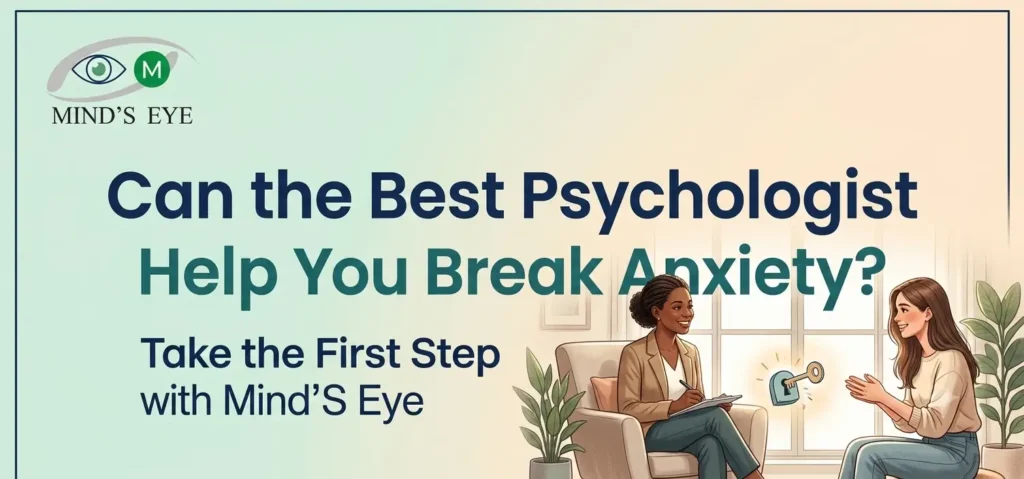
Anxiety can affect thoughts, emotions, relationships, work performance, and overall well-being. Psychotherapy provides evidence-based strategies to manage anxiety, improve emotional resilience, and restore balance. Through structured therapeutic approaches such as cognitive and behavioral interventions, individuals can better understand anxiety triggers, develop healthy coping skills, and achieve long-term mental wellness and emotional growth.
Anxiety can make daily life overwhelming, affecting emotional health, productivity, and relationships. Working with the best psychological counsellor can help individuals identify triggers, develop coping strategies, and improve emotional regulation. The best psychological counsellor in Kolkata may use evidence-based approaches such as Dialectical Behavior Therapy for Mental Health and Mindfulness based cognitive therapy to support lasting recovery and improved mental well-being.
Feeling nervous before an important event is normal. Anxiety disorders, however, involve persistent fear, excessive worry, and emotional distress that interfere with daily functioning.
Psychotherapy is a professional, structured treatment that helps individuals understand thoughts, emotions, and behaviors contributing to mental health challenges.
Untreated anxiety can affect many areas of life.
Early intervention often leads to better outcomes.
Identifying Anxiety Triggers
Therapists help individuals recognize situations, thoughts, and experiences that contribute to anxiety.
Common Triggers
Many anxiety disorders involve distorted thinking.
Examples include:
Therapy helps replace these patterns with balanced thinking.
Individuals learn practical tools to manage anxiety.
Dialectical Behavior Therapy for Mental Health is an evidence-based psychotherapy approach designed to improve emotional regulation and distress tolerance.
Improves awareness of thoughts and emotions.
Helps manage difficult situations without becoming overwhelmed.
Supports healthy management of intense emotions.
Improves communication and relationships.
Mindfulness based cognitive therapy combines mindfulness practices with cognitive behavioral principles.
The goal is to help individuals observe thoughts without judgment and reduce automatic anxiety responses.
Generalized Anxiety Disorder (GAD)
Persistent and excessive worry about daily events.
Social Anxiety Disorder
Fear of social situations and judgment.
Panic Disorder
Recurring panic attacks and fear of future attacks.
Specific Phobias
Intense fear of particular objects or situations.
Health Anxiety
Excessive concern about health-related issues.
Cognitive Behavioral Therapy (CBT)
Focuses on changing negative thought patterns.
Dialectical Behavior Therapy (DBT)
Improves emotional regulation.
Mindfulness-Based Cognitive Therapy (MBCT)
Promotes present-moment awareness.
Acceptance and Commitment Therapy (ACT)
Encourages psychological flexibility.
Supportive Counseling
Provides emotional support and guidance.
Daily Practices
Lifestyle Improvements
| Anxiety Challenge | How Psychotherapy Helps |
| Excessive Worry | Improves thought management |
| Panic Symptoms | Builds coping skills |
| Social Fear | Enhances confidence |
| Emotional Overwhelm | Improves regulation |
| Sleep Problems | Reduces stress levels |
| Avoidance Behaviors | Encourages healthy engagement |
Mindfulness teaches individuals to focus on the present moment.
Personal Growth
Developing insight and emotional intelligence.
Stronger Relationships
Improved communication and understanding.
Better Stress Management
Handling challenges more effectively.
Increased Resilience
Recovering from setbacks more successfully.
Supporting Mental Wellness Through Evidence-Based Care
Mind’s Eye led by Dr Rupa Talukder focuses on psychological well-being through professional counseling, psychotherapy, emotional support, and evidence-based therapeutic interventions. Approaches such as Cognitive Behavioral Therapy, Dialectical Behavior Therapy for Mental Health, and Mindfulness based cognitive therapy can help individuals develop coping skills, improve emotional resilience, and manage anxiety-related challenges effectively.
Point-Wise Summary
Anxiety can feel overwhelming, but effective treatment is available. Psychotherapy provides a safe and evidence-based path toward understanding anxiety, developing healthier coping strategies, and improving emotional well-being. Working with the best psychologist in Bangur Avenue can help individuals gain valuable skills through approaches such as Dialectical Behavior Therapy for Mental Health and Mindfulness based cognitive therapy. With professional support, self-awareness, and consistent effort, individuals can reduce anxiety symptoms, strengthen resilience, and achieve a healthier, more balanced life.
Can psychotherapy help anxiety without medication?
Yes. Many individuals benefit from psychotherapy alone, particularly approaches such as Cognitive Behavioral Therapy, Dialectical Behavior Therapy, and Mindfulness-Based Cognitive Therapy. Treatment recommendations vary based on individual needs.
How long does psychotherapy take for anxiety?
The duration varies depending on symptom severity, goals, and therapeutic approach. Some individuals notice improvement within a few months, while others benefit from longer-term support.
What is the best therapy for anxiety?
Evidence-based therapies such as Cognitive Behavioral Therapy (CBT), Dialectical Behavior Therapy (DBT), and Mindfulness-Based Cognitive Therapy (MBCT) are commonly used to treat anxiety disorders.
What are the signs that anxiety is becoming serious?
Persistent worry, sleep disturbances, panic attacks, avoidance behaviors, reduced productivity, and difficulty functioning in daily life may indicate the need for professional support.
How does mindfulness help anxiety?
Mindfulness helps individuals focus on the present moment, reduce overthinking, improve emotional regulation, and respond more effectively to stress.
Is anxiety treatable?
Yes. Anxiety is highly treatable through psychotherapy, lifestyle changes, stress management techniques, and, when appropriate, medical interventions recommended by healthcare professionals.
Can therapy improve confidence and relationships?
Yes. Therapy often enhances self-awareness, communication skills, emotional regulation, and interpersonal effectiveness, which can strengthen relationships and boost confidence.